
Resource
Developmental Milestones
An educational overview of typical developmental milestones from infancy to the teenage years.
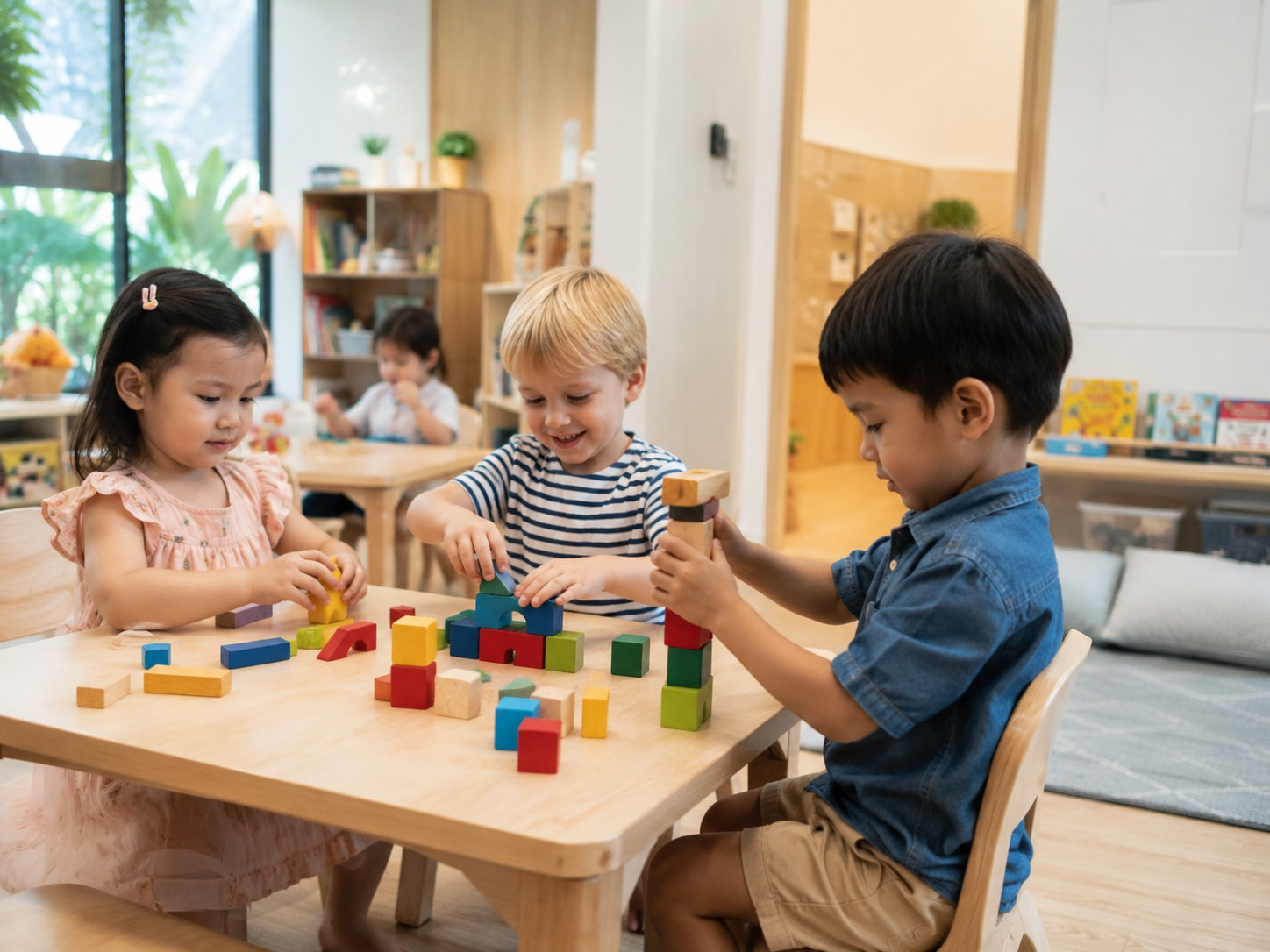
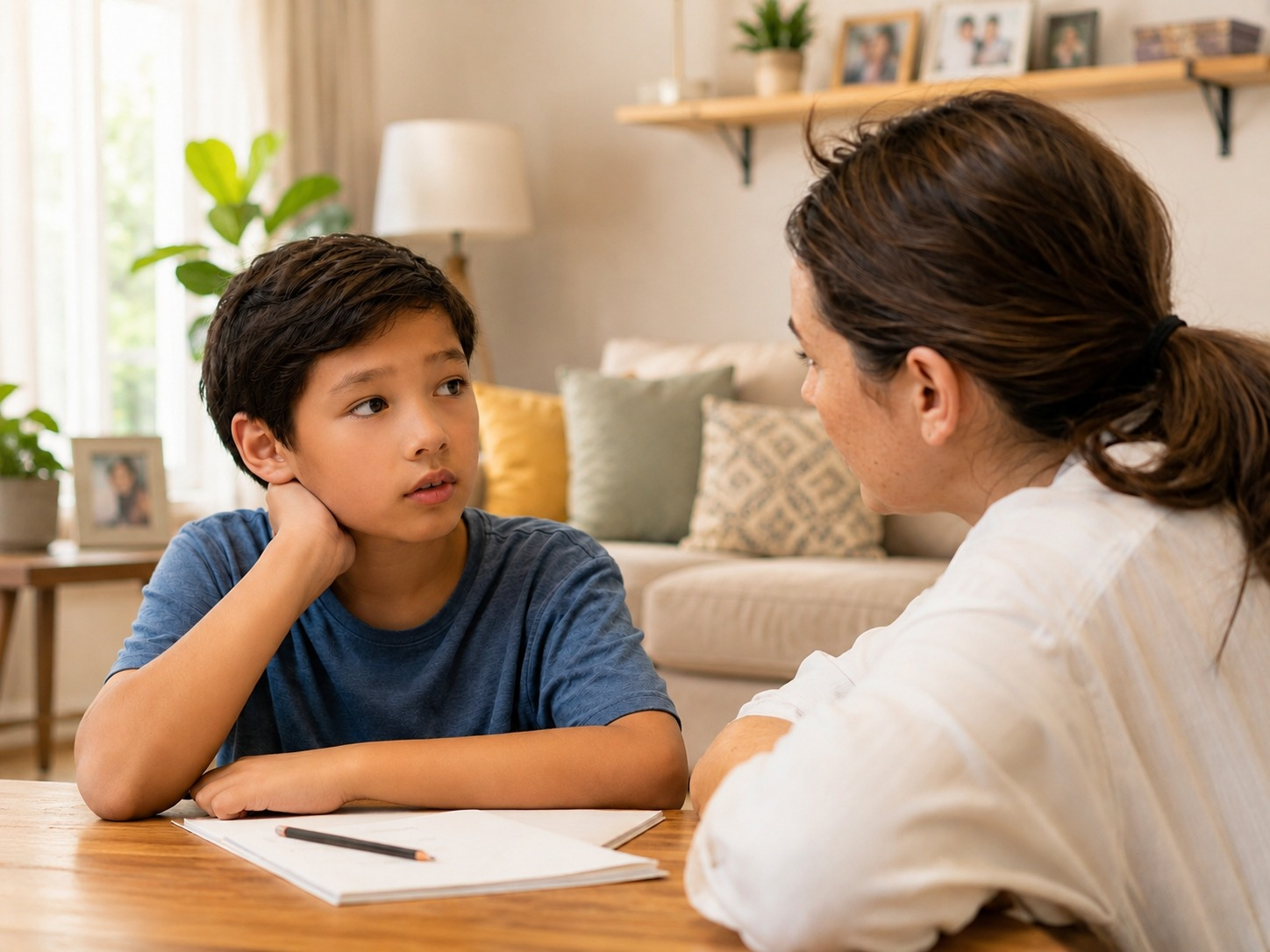
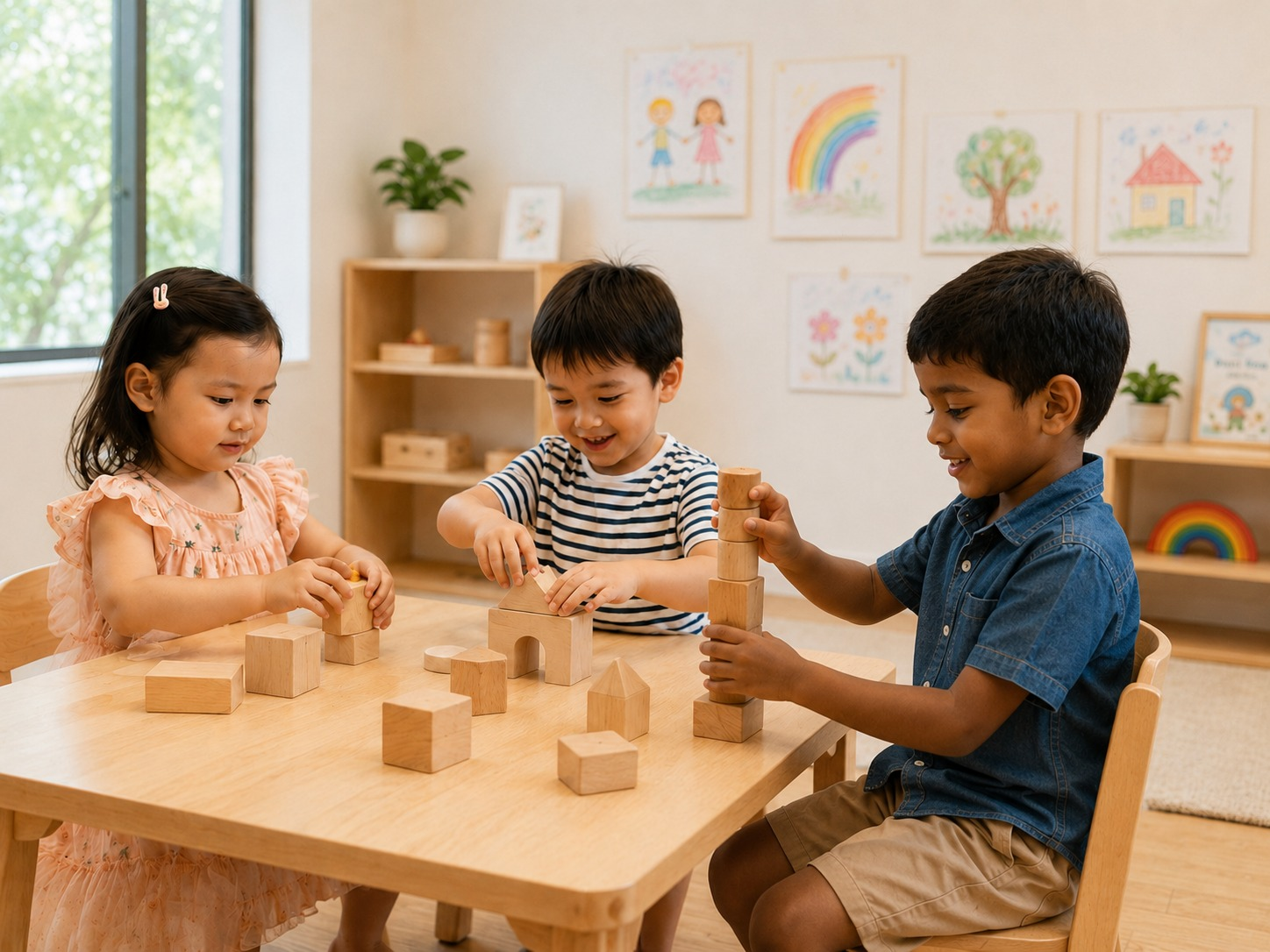


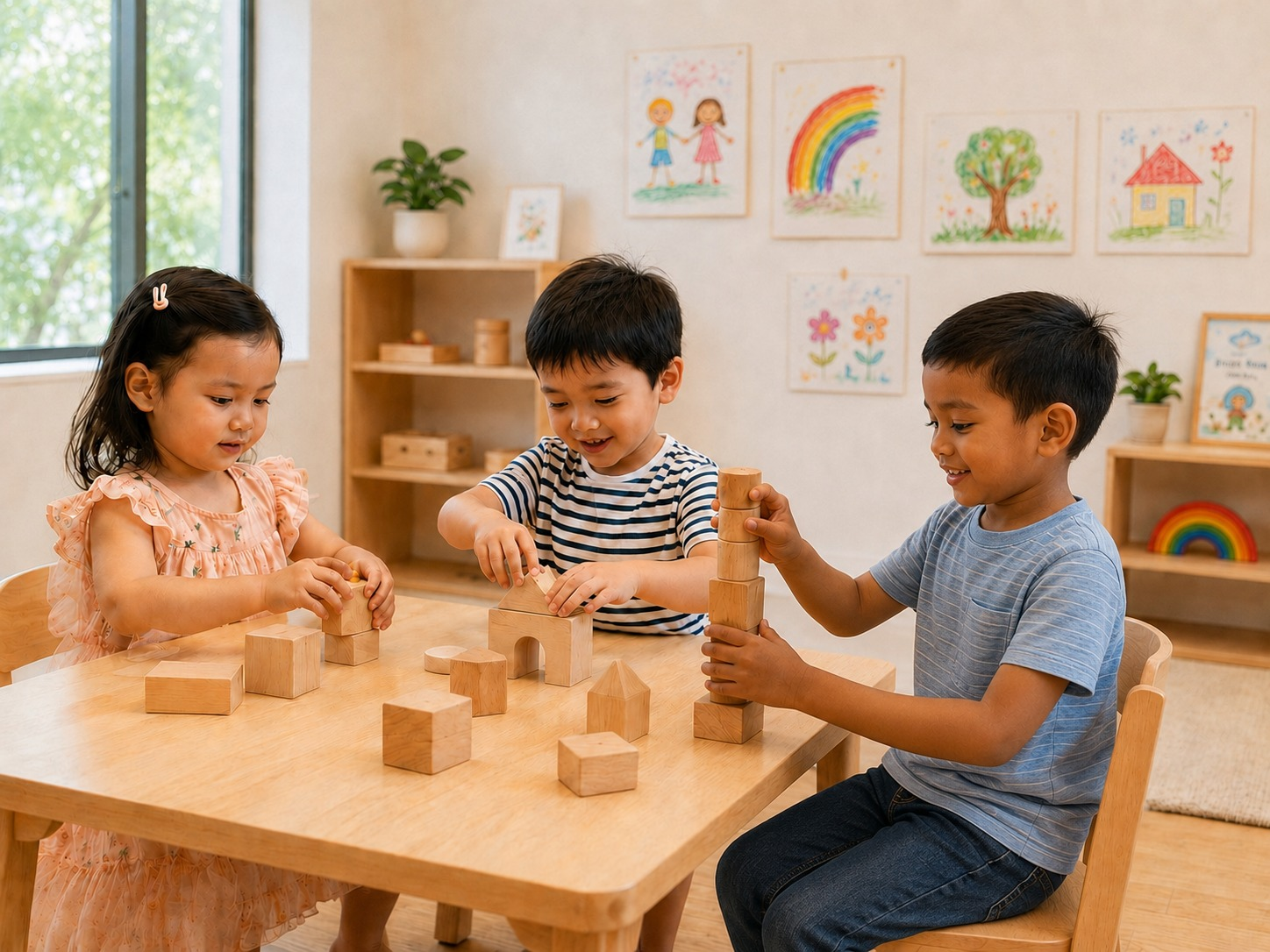

Children develop at different paces. Milestones are useful reference points, not strict targets — a single "late" milestone is usually not a concern on its own. Patterns across time or across several areas of development are more meaningful. These bands are educational and non-diagnostic.
By around 12 months
Communication
- Turns to sounds and to their name.
- Uses babbling that varies in tone.
- Shares attention (looking, pointing) with a familiar adult.
Movement
- Sits without support.
- Pulls to stand with furniture.
- Uses hands to explore, transfer and pick up small objects.
Play & social
- Enjoys back-and-forth games (peek-a-boo).
- Recognises familiar faces and shows preferences.
By around 2 years
Communication
- Uses many single words and starts combining two words.
- Follows simple directions.
- Points to name familiar objects and pictures.
Movement
- Walks well and starts running.
- Uses spoon and cup.
- Stacks a small tower of blocks.
Play & social
- Copies actions from adults.
- Shows early pretend play.
- Notices other children.
By around 3 years
Communication
- Uses short sentences familiar adults mostly understand.
- Follows two-step directions.
- Asks simple questions.
Movement
- Runs, climbs and pedals a tricycle.
- Feeds themselves with growing skill.
- Starts to dress with help.
Play & social
- Enjoys pretend and imaginative play.
- Plays alongside and briefly with other children.
- Manages simple turn-taking with support.
By around 4–5 years
Communication
- Speaks in fuller sentences most people understand.
- Tells short stories about events.
- Answers 'why' and 'how' questions.
Learning
- Recognises many letters and some sight words.
- Counts small groups and understands 'more' and 'fewer'.
- Enjoys books being read to them.
Play & social
- Plays cooperatively with other children.
- Manages small frustrations with support.
- Follows classroom routines with prompts.
Primary years (6–11)
Learning
- Reads for meaning with growing fluency.
- Writes short paragraphs and follows written directions.
- Applies number skills to problems.
Social & emotional
- Maintains friendships and manages disagreements.
- Talks about feelings in age-appropriate ways.
- Handles routines and homework with some independence.
Teenage years
Learning
- Manages longer-term projects and study.
- Reads and writes across subjects with independence.
- Reflects on their own thinking and progress.
Social & emotional
- Navigates changing friendships.
- Develops a growing sense of identity.
- Balances school, activities and rest.
Common questions
- My child is behind on one milestone — should I worry?
- Ordinary variation is wide. A single delay is usually not enough to draw conclusions. A pattern of concerns, or concerns across areas, is more meaningful.
- Are these milestones the same worldwide?
- The general sequence is similar, but exact ages and cultural expectations vary. These bands are approximate guides, not strict targets.
- When should I send an enquiry?
- When several observations concern you, when a teacher or clinician suggests a review, or when your parental sense is that something more is going on.
This educational guide is not a diagnosis, medical assessment, emergency service or substitute for consultation with a qualified professional.
Ready to take the next step?
Appointment requests are reviewed and arranged personally by our clinic team. Submitting an enquiry does not confirm an appointment.